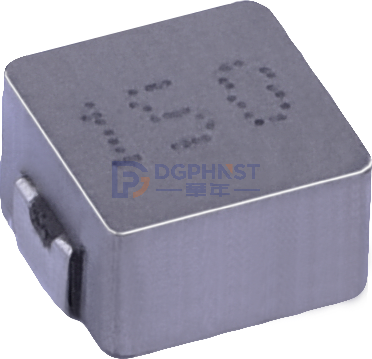
The alloy resistor market in 2026 is undergoing a profound transformation. With the continuous increase in the penetration rate of new energy vehicles, energy storage systems, and fast charging technology, the industry's requirements for the accuracy and stability of current detection have reached unprecedented heights. Traditional thick film resistors are being rapidly replaced by alloy resistors due to their large temperature drift and insufficient long-term reliability. This trend is particularly evident in 2026, as the entire alloy resistance trend is evolving towards high power density, ultra-low resistance precision, and miniaturized packaging.
From the perspective of market size, the global trend of alloy resistors shows a steady growth trend. Data shows that the global market size is expected to reach approximately 739 million US dollars by 2025, and is projected to surpass 1.3 billion US dollars by 2032, with a compound annual growth rate of around 8.9%. Driven by the wave of electrification, the growth rate of the Chinese market has even exceeded the global average, becoming the main battlefield for major manufacturers to compete. This growth is not only due to the increase in quantity, but also to the increase in the usage of bicycles and single devices, such as the significant increase in the use of alloy resistors in car chargers and battery management systems.
At the technical roadmap level, the trend of alloy resistance shows a clear polarization. In the field of consumer electronics, in order to control costs, alloy thin film resistors dominate, with packaging sizes mainly in 0805 and 1206, mainly used in low current scenarios such as TWS earphones and smartphones. In the field of automotive electronics and industrial control, the trend of alloy resistance is manifested in the favor of pure alloy materials and high-power packaging (such as 2512, 2728). These types of resistors are usually made of manganese copper or iron chromium aluminum materials, which have extremely low temperature coefficients (within ± 50ppm/℃) and stronger surge resistance, ensuring sampling accuracy under harsh working conditions.
In addition, the localization of the supply chain and the specialization of services are also undeniable trends in alloy resistance. Against the backdrop of chip shortages and geopolitical influences, terminal manufacturers are increasingly valuing the stability of their supply chains and their technical support capabilities. For example, Shenzhen Shunhai Technology Co., Ltd., as a professional technical channel company, not only provides conventional surface mount alloy resistors, but also cooperates with research and development to select and provide customized solutions for specific power and size requirements. Similarly, through vertical platforms such as Huanian Mall, engineers can quickly screen and purchase high-precision alloy resistors from brands such as Yineng and Haoyun. This online and offline supply model is becoming the new normal in the industry.
It is worth noting that technological innovations in the trend of alloy resistors mainly focus on heat dissipation structures and material formulations. The mainstream products in 2026 are gradually phasing out traditional thick film processes and adopting all metal structures instead. This structure utilizes the thermal conductivity of the alloy material itself to quickly conduct heat to the PCB for heat dissipation. For sampling resistors with 3W, 4W or even higher power, good heat dissipation design is the key to ensuring long-term stability. At the same time, in order to meet the high-density layout of fast charging heads and high-power power supplies, the trend of miniaturization and high-power alloy resistors is also very prominent. For example, achieving a power carrying capacity of 1W-2W in the 1206 package size, or achieving a power level of 3W-5W in the 2512 size.
In summary, the trend of alloy resistance in 2026 is a year of technological iteration inferred from application demand. Whether it is the strict requirements of automotive standards or the pursuit of cost-effectiveness in consumer electronics, alloy resistors are constantly upgraded in materials, packaging, and supply services. For design engineers, paying attention to the trend of alloy resistance is not only about selecting a component, but also a deep consideration of the reliability of the entire current sampling link. By collaborating with professional suppliers such as Shunhai Technology or utilizing the big data selection services of Huanian Mall, we can more efficiently grasp the trend of alloy resistance and find the balance between performance and cost.