The performance and reliability of high-voltage surface mount resistors fundamentally depend on their core constituent materials. The selection and combination of its materials directly determine whether the component can maintain stable operation under high voltage impact. The following will provide a detailed introduction to several main materials that make up high-voltage surface mount resistors.

Firstly, ceramic substrates are the backbone and insulation foundation of high-voltage surface mount resistors. The most commonly used is high-purity alumina ceramics. This material has extremely high insulation resistance and excellent mechanical strength, which can effectively withstand high voltage without being broken down, while providing a flat and sturdy adhesion surface for the resistance film. High quality ceramic substrates are the primary guarantee for high-voltage surface mount resistors to achieve high voltage resistance.
Secondly, the resistive film material is the core that determines the electrical performance. High voltage surface mount resistors usually use thick film resistor paste, which mainly consists of ruthenium oxide, glass glaze, and organic carrier. Ruthenium oxide is widely used in high-voltage surface mount resistor materials due to its excellent stability and low voltage coefficient. These pastes are precisely printed on the substrate and then sintered at high temperatures to form a stable resistance layer. The formula and process directly affect the accuracy of the resistance value and the ability to withstand high voltage for a long time.
Furthermore, the electrode and terminal materials are responsible for the import and export of current. The internal electrode of high-voltage surface mount resistors is usually made of conductive paste such as silver palladium alloy, which has good contact and matching with the resistor film. The external end electrodes are mostly multi-layer structures, commonly plated with tin or silver on top of a nickel layer. This not only provides excellent weldability, but also prevents erosion of the internal electrodes during welding, ensuring a firm and reliable connection.
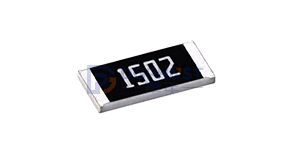
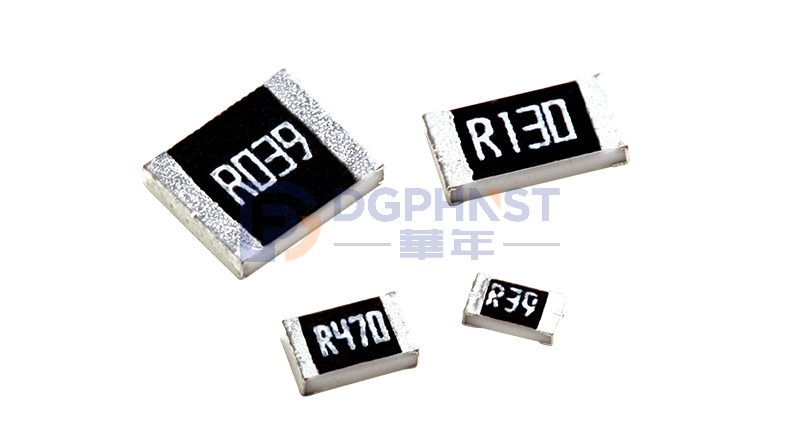
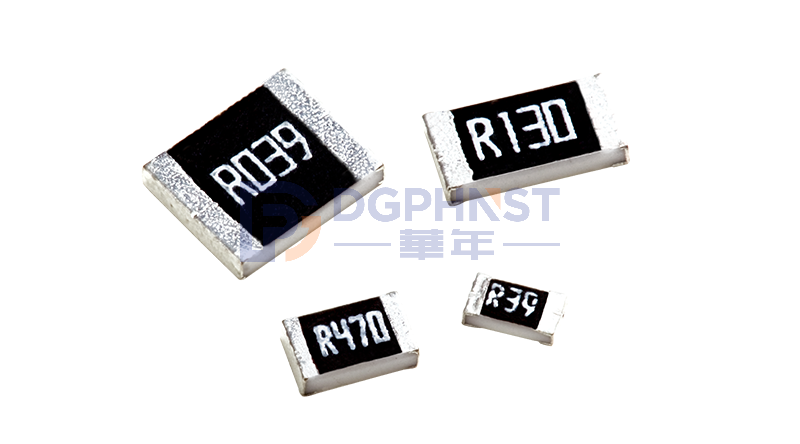
Finally, the protective layer and marking layer are also crucial. The resistive film is covered with a dense glass glaze protective layer, which can isolate moisture and pollutants, prevent corona discharge and arc under high voltage, and greatly improve environmental stability and withstand voltage limit. The surface marking layer uses high-temperature resistant printing ink to identify parameters such as resistance.
In summary, the material of high-voltage surface mount resistors is a systematic engineering. From insulated ceramic substrates, functional resistive films, to conductive electrodes and protective coatings, every type of high-voltage surface mount resistor material has been carefully selected and matched. It is the synergistic effect of these special materials that enables high-voltage surface mount resistors to operate stably in harsh high-voltage environments, becoming an indispensable key component in modern high-density and high reliability electronic devices.